The Role of Well Testing in Oil & Gas Production
Explore the Importance of Accurate Well Testing Services
In the oil and gas industry, making informed decisions is critical to maximizing production, maintaining safety, and ensuring long-term profitability. One of the most valuable tools operators rely on is well testing. By providing essential data about a well’s performance, well testing plays a central role in understanding reservoirs, optimizing output, and guiding operational strategies.
What Is Well Testing?
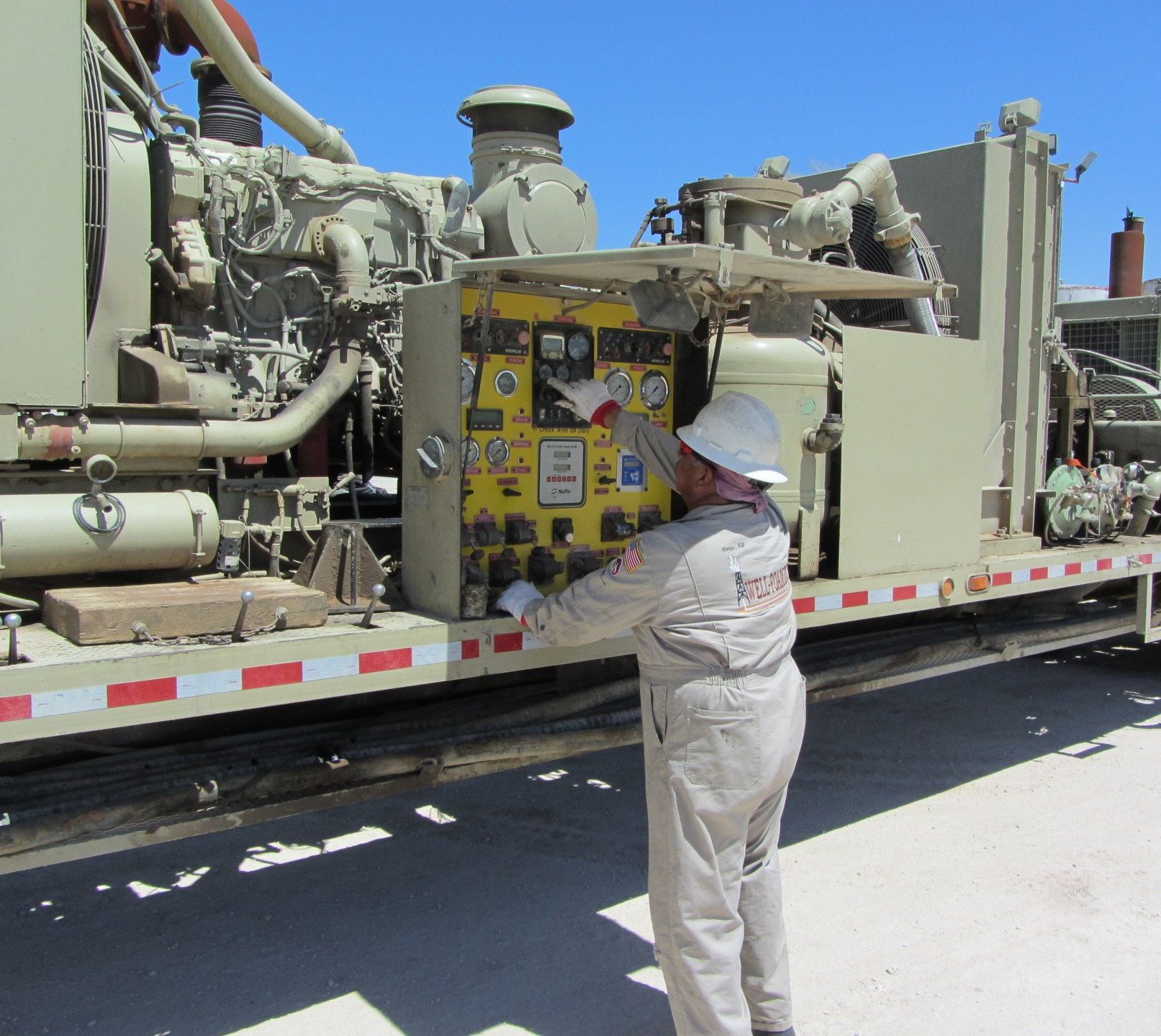
Well testing is the process of measuring and analyzing key parameters such as pressure, flow rate, temperature, and fluid composition within a well. These tests can be conducted at various stages of a well’s lifecycle—from initial exploration and appraisal to ongoing production and eventual decommissioning.
The data collected offers a snapshot of how a well is performing and how the surrounding reservoir is behaving.
Understanding Reservoir Performance
One of the primary purposes of well testing is to evaluate reservoir characteristics. By analyzing pressure and flow data, engineers can estimate:
- Reservoir size and boundaries
- Permeability and porosity
- Fluid properties and composition
- Drive mechanisms affecting production
This information is crucial for determining how much oil or gas can be economically recovered and how the reservoir will respond over time.
Optimizing Production Efficiency
Well testing helps operators fine-tune production strategies. By identifying bottlenecks or inefficiencies, companies can adjust flow rates, optimize artificial lift systems, and improve overall output.
Regular testing allows teams to:
- Detect declining production early
- Adjust operating conditions in real time
- Maximize recovery rates
- Extend the productive life of the well
In short, well testing turns raw data into actionable insights that improve performance.
Enhancing Safety & Reducing Risk
Safety is a top priority in oil and gas operations. Well testing helps identify potential issues before they escalate into serious problems. Abnormal pressure readings, unexpected fluid behavior, or equipment irregularities can all signal underlying concerns.
By catching these warning signs early, operators can:
- Prevent blowouts or leaks
- Reduce the risk of equipment failure
- Maintain well integrity
- Ensure compliance with safety regulations
Routine testing is a proactive step toward safer operations.
Supporting Informed Decision-Making
Accurate data is the foundation of sound decision-making. Well testing provides the insights needed to make critical choices about drilling, completion, and production strategies.
For example, operators can use testing data to:
- Determine whether a well is commercially viable
- Plan future drilling locations
- Decide when to enhance or shut in a well
- Allocate resources more effectively
Without reliable testing, these decisions would be based on assumptions rather than evidence.
Contact Our Well Testing Service Specialists to Request Support
Well testing is a cornerstone of successful oil and gas production. From understanding reservoir dynamics to optimizing output and ensuring safety, it provides the critical data needed to operate efficiently and responsibly.
By investing in regular, accurate well testing, operators can make smarter decisions, reduce risks, and maximize the long-term value of their assets. Keeping this in mind, the certified technicians at Well Foam Inc. are standing by to provide dedicated support across the San Angelo, TX and Carlsbad, NM regions. No matter the scope of your upcoming application, our qualified crew is available to administer accurate well testing services. Simply contact our team to get started!