Tips for Hazard Prevention on Oilfield Work Sites
Oilfield operations involve heavy equipment, high-pressure systems, hazardous materials, and constantly changing work environments. Because of these factors, hazard prevention should begin long before crews arrive on location. A detailed safety plan helps identify potential risks, establish response procedures, and ensure that all personnel understand their responsibilities before work begins.
Regular safety meetings and site assessments can help teams stay aware of changing conditions. Reviewing procedures before each shift allows workers to address potential concerns early and reduce the likelihood of accidents. Effective planning also helps improve communication between contractors, operators, and support personnel working on-site. Key elements of a strong safety plan include:
- Conducting pre-job hazard assessments
- Reviewing emergency response procedures
- Identifying evacuation routes and assembly points
- Verifying that equipment inspections are completed
- Ensuring that all workers understand site-specific safety requirements
Safety planning is not a one-time task. Continuous monitoring and regular updates help ensure that the plan remains effective as conditions evolve throughout the project.
Maintain Equipment and Perform Routine Inspections
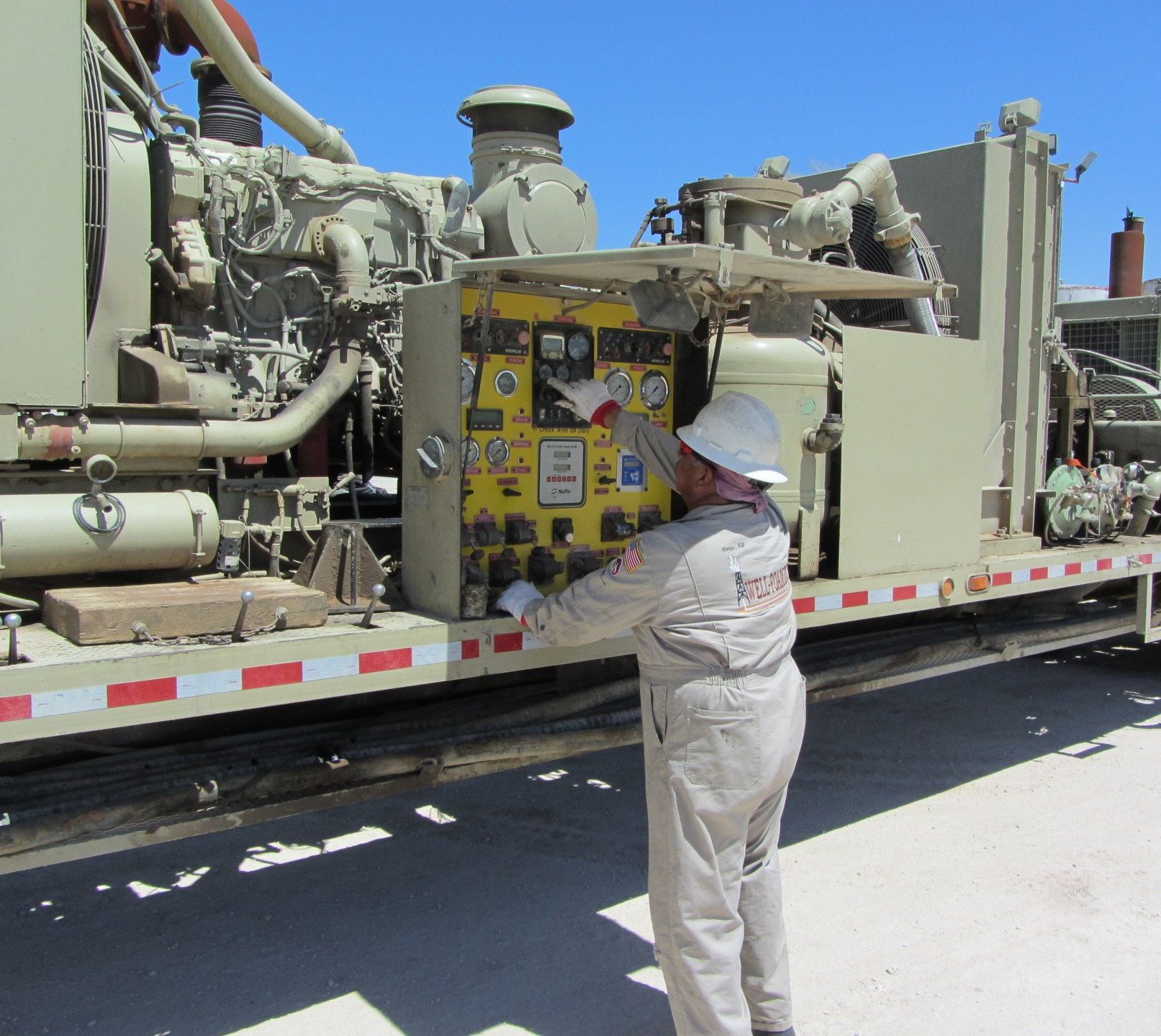
Equipment failure can create significant safety hazards on an oilfield site. Routine inspections and preventative maintenance help identify worn components, leaks, damaged fittings, and other issues before they lead to operational interruptions or accidents. Workers should inspect equipment before use and report any concerns immediately. Maintenance records should be kept up to date to verify that all machinery has been serviced according to manufacturer recommendations and company procedures. Important inspection areas include:
- Hydraulic systems
- Pressure control equipment
- Hoses and connections
- Valves and fittings
- Electrical systems
- Safety guards and emergency shutoffs
Proper maintenance not only helps improve safety but can also reduce costly downtime. When equipment performs as intended, crews can work more efficiently while minimizing unnecessary risks.
Focus on Worker Training and Communication
Even the most advanced equipment cannot replace the value of a properly trained workforce. Employees who understand operational procedures, hazard recognition, and emergency response protocols are better prepared to make safe decisions in the field.
Training should be ongoing and tailored to the specific tasks being performed. New workers should receive comprehensive orientation, while experienced personnel should participate in refresher courses and safety updates. Consistent communication ensures that everyone remains informed about changing site conditions and operational expectations. Effective training programs often cover:
- Personal protective equipment (PPE) requirements
- Lockout/tagout procedures
- Hazard communication standards
- Fall protection practices
- Pressure-control awareness
- Emergency response procedures
Open communication between supervisors and field personnel encourages workers to report hazards, ask questions, and address concerns before incidents occur.
Manage High-Pressure Operations Carefully
Many oilfield activities involve pressurized systems that require careful monitoring and strict operational controls. Improper handling of high-pressure equipment can result in equipment damage, serious injuries, or environmental incidents. Crews should always follow established pressure-control procedures and maintain safe distances when equipment is operating under pressure. Proper monitoring allows personnel to identify abnormal conditions and respond quickly when necessary. To reduce risks during high-pressure operations:
- Verify equipment ratings before use
- Inspect pressure-control components regularly
- Follow approved operating procedures
- Use designated exclusion zones when required
- Monitor pressure readings continuously
- Ensure that emergency shutdown systems are functional
A proactive approach to pressure management helps create a safer work environment while supporting efficient operations.
Keep Work Areas Organized and Hazard-Free
Housekeeping plays a major role in hazard prevention. Cluttered work sites can increase the risk of slips, trips, falls, and equipment-related incidents. Maintaining an organized location allows workers to move safely and respond more effectively during emergencies. Tools, hoses, cables, and materials should be stored properly when not in use. Spill prevention and cleanup procedures should also be enforced to reduce environmental and safety concerns. Good housekeeping practices include:
- Keeping walkways clear
- Removing unnecessary debris
- Properly storing tools and materials
- Cleaning spills immediately
- Clearly marking hazardous areas
- Maintaining adequate lighting throughout the site
Small housekeeping efforts performed consistently can significantly improve overall site safety and productivity.
How Well Foam Inc. Supports Safe and Efficient Oilfield Operations
At Well Foam Inc., we provide a wide range of oilfield services designed to support drilling, production, and well intervention operations throughout San Angelo, Lubbock, Big Spring, Midland, Odessa, and Pecos, TX; Hobbs, Carlsbad, and Lovington, NM; as well as the surrounding regions. Our company offers flowback and well testing services that help operators gather valuable information about well performance, reservoir productivity, pressure conditions, and flow characteristics. This data assists companies in making informed operational decisions while supporting safe and efficient site management. In addition to well testing services, we provide fishing services, reverse units, nitrogen units, foam units, rental equipment, and laydown machines for oilfield applications. Our services help operators address operational challenges, recover downhole equipment when necessary, and maintain productivity across a variety of job sites. By supplying reliable equipment and field support, Well Foam Inc. helps oil and gas companies keep projects moving while maintaining a strong focus on safety and operational efficiency. Contact us to learn more about how we could help support safe oilfield operations for your company!